Trip planning
Train Travel in Saudi Arabia
From high-speed trains between Makkah and Madinah to long desert journeys—discover how to explore Saudi Arabia by rail.
Published:Updated 5 min read

Trip planning
Planning a holiday in Saudi Arabia? Here you'll find our complete guide to visas, the best time to travel, AlUla, Riyadh, Jeddah, transportation, culture, and practical travel tips.
Written by Saudi Reiser
Everything you need to know before your first holiday in Saudi Arabia
Saudi Arabia is emerging as one of the Middle East's most exciting travel destinations.
Here you'll find thousands of years of history, vast desert landscapes, modern cities, UNESCO World Heritage sites, spectacular mountains, kilometers of beaches, and some of the Red Sea's most beautiful coral reefs.
Just a few years ago, the country was largely inaccessible to ordinary tourists. Today, the situation is completely different.
Saudi Arabia is investing heavily in international tourism, and an increasing number of travelers are discovering places like AlUla, Riyadh, Jeddah, Diriyah, and the Red Sea coast.
But what is it really like to travel to Saudi Arabia as a Norwegian tourist?
When should you travel?
Do you need a visa?
What should you experience?
How do you get around?
And what rules and cultural differences should you know about before your trip?
In this guide, Saudi Reiser has gathered the most important information you need when planning a trip to Saudi Arabia.
Perhaps the most exciting thing about Saudi Arabia as a travel destination is the contrasts.
You can start the day among modern skyscrapers in Riyadh and end it with dinner in the historical surroundings of Diriyah.
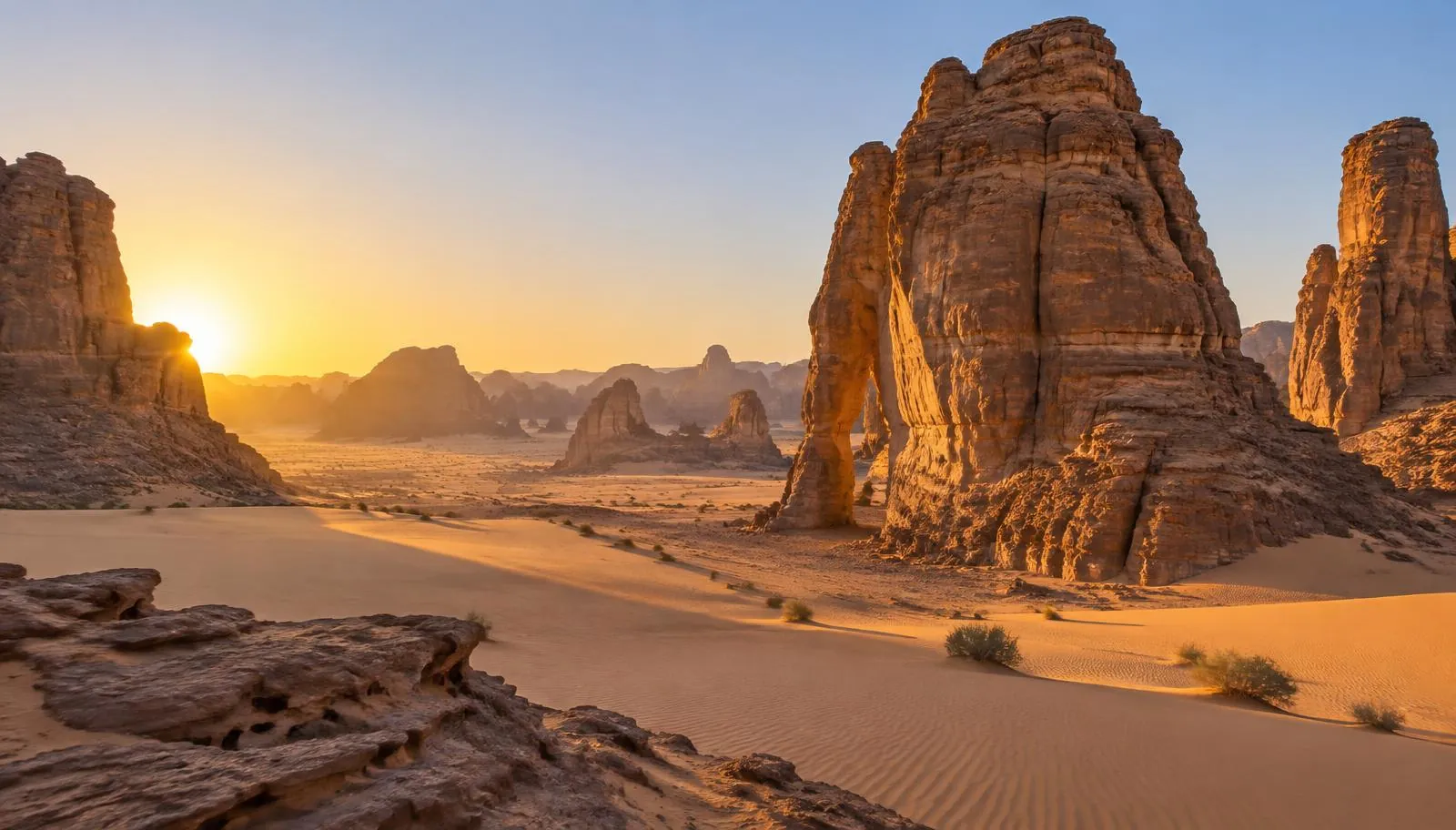
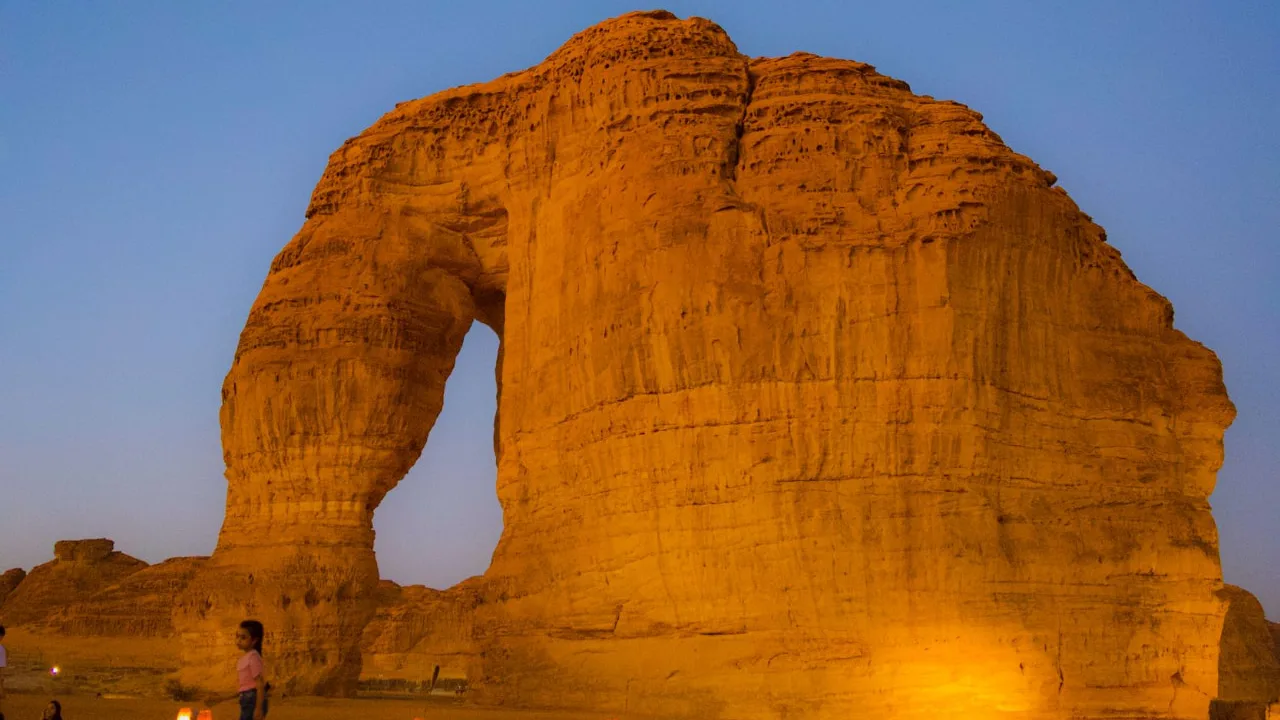
In AlUla, you can wander among monumental rock formations and tombs that are more than 2,000 years old.
In Jeddah, you can explore narrow streets and old coral stone houses in historic Al-Balad before settling by the Red Sea in the evening.
In other places, you can experience green mountains, vast desert areas, oases, and a Red Sea coast that is still relatively unknown to many European tourists.
Saudi Arabia is therefore a good fit for those who want a holiday that is a bit different from classic tourist destinations.
The country is particularly interesting for travelers who enjoy:
For many, the combination of several of these experiences will be the best way to experience Saudi Arabia.
Saudi Arabia is located on the Arabian Peninsula and is the largest country in the Middle East by area.
The country borders Jordan, Iraq, Kuwait, Qatar, the United Arab Emirates, Oman, and Yemen, among others.
To the west lies the Red Sea, while the east coast faces the Persian Gulf.
The distances are vast.
Therefore, Saudi Arabia is not a country where you should necessarily plan to see everything in one short holiday.
A good itinerary normally combines a few selected regions and uses flights, trains, and private transport between them.
For most Norwegian travelers, the period from approximately October to April will be the most comfortable time to visit large parts of Saudi Arabia.
Temperatures vary significantly between regions, but the winter half of the year generally offers more pleasant temperatures for sightseeing and outdoor activities.
Winter is a very popular period for tours.
Daytime temperatures can be pleasant, while evenings and nights can become surprisingly cool, especially in the desert, AlUla, and the northern parts of the country.
A light jacket – and in some places a warmer jacket – can therefore be useful.
Spring can also be a great time to travel.
Temperatures rise gradually, but the beginning of spring can still provide good conditions for both city breaks and nature experiences.
Summer can get extremely hot in large parts of Saudi Arabia.
In central areas, temperatures can reach and exceed 40 degrees, and Visit Saudi states that the summer average in large parts of the country is around 45 degrees.
This does not mean that all of Saudi Arabia is out of the question during the summer.
Mountain areas like Aseer and Taif have a milder climate, while the Red Sea can be interesting for resort holidays, diving, and other water activities.
However, if this is your first tour of Saudi Arabia, many will prefer the cooler months.
Yes.
Norwegian citizens need a visa to travel to Saudi Arabia.
However, Norway is among the countries approved for Saudi Arabia's electronic tourist visa, the eVisa.
The application is done digitally through Saudi Arabia's official eVisa system.
The official tourist visa is normally:
Your passport must normally be valid for at least six months at the time you enter Saudi Arabia.
Visa rules can change.
We therefore always recommend checking the current rules on Saudi Arabia's official eVisa site before you book and before departure.
Saudi Reiser can also help you with information about the requirements for your trip.
Saudi Arabia is enormous, and you could fill several trips without visiting the same places.
For a first-time trip, however, there are some destinations that particularly stand out.
For many tourists, AlUla becomes the highlight of the trip.
The area is located in northwestern Saudi Arabia and is known for impressive rock formations, dramatic desert landscapes, historical settlements, and some of the country's most important archaeological sites.
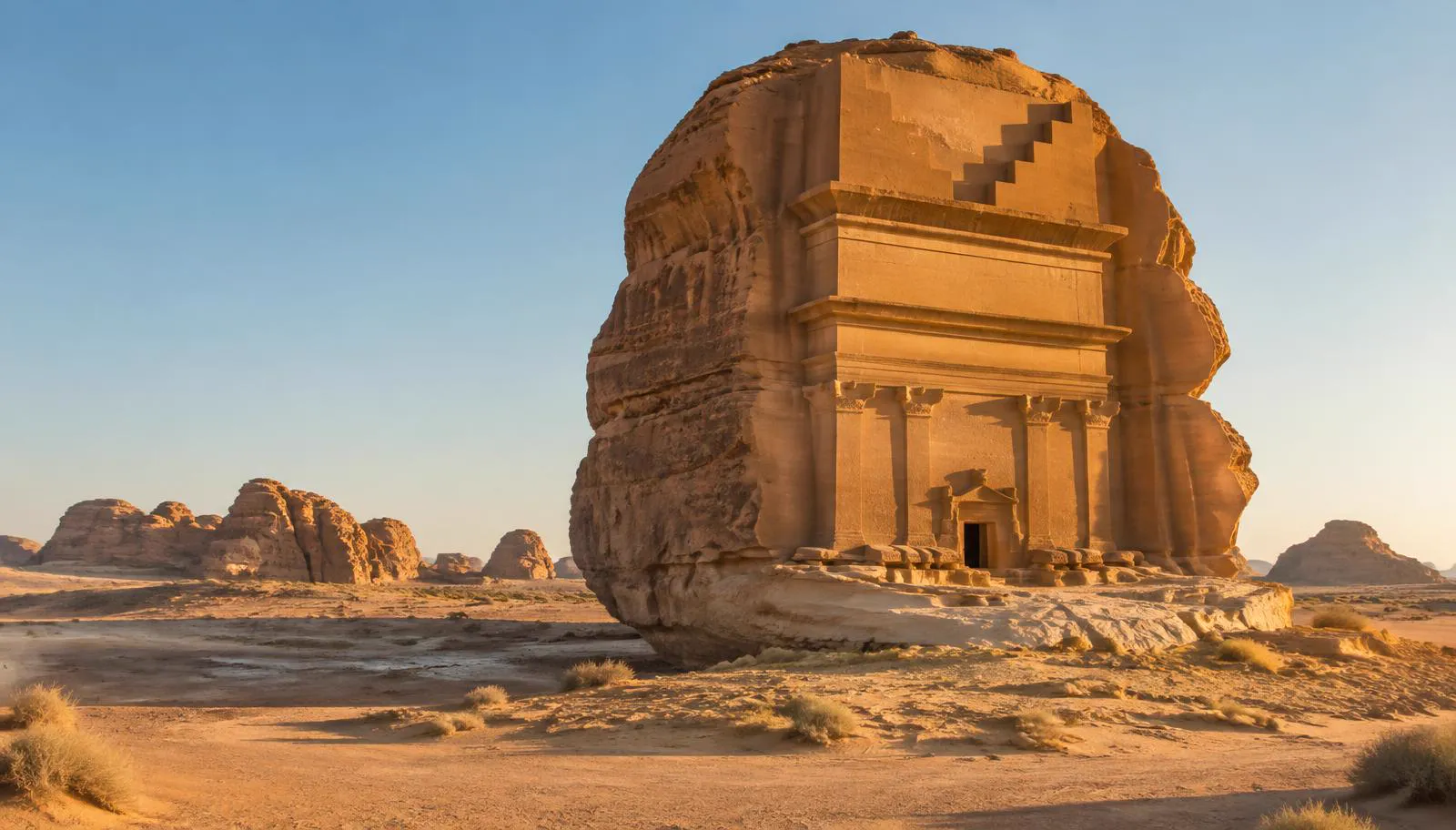
The most famous is Hegra.
In 2008, Hegra was the first site in Saudi Arabia to be inscribed on the UNESCO World Heritage list.
Here you will find well-preserved monumental tombs carved directly into the sandstone mountains.
But AlUla is more than Hegra.
You can also experience:
AlUla often deserves several days on an itinerary.
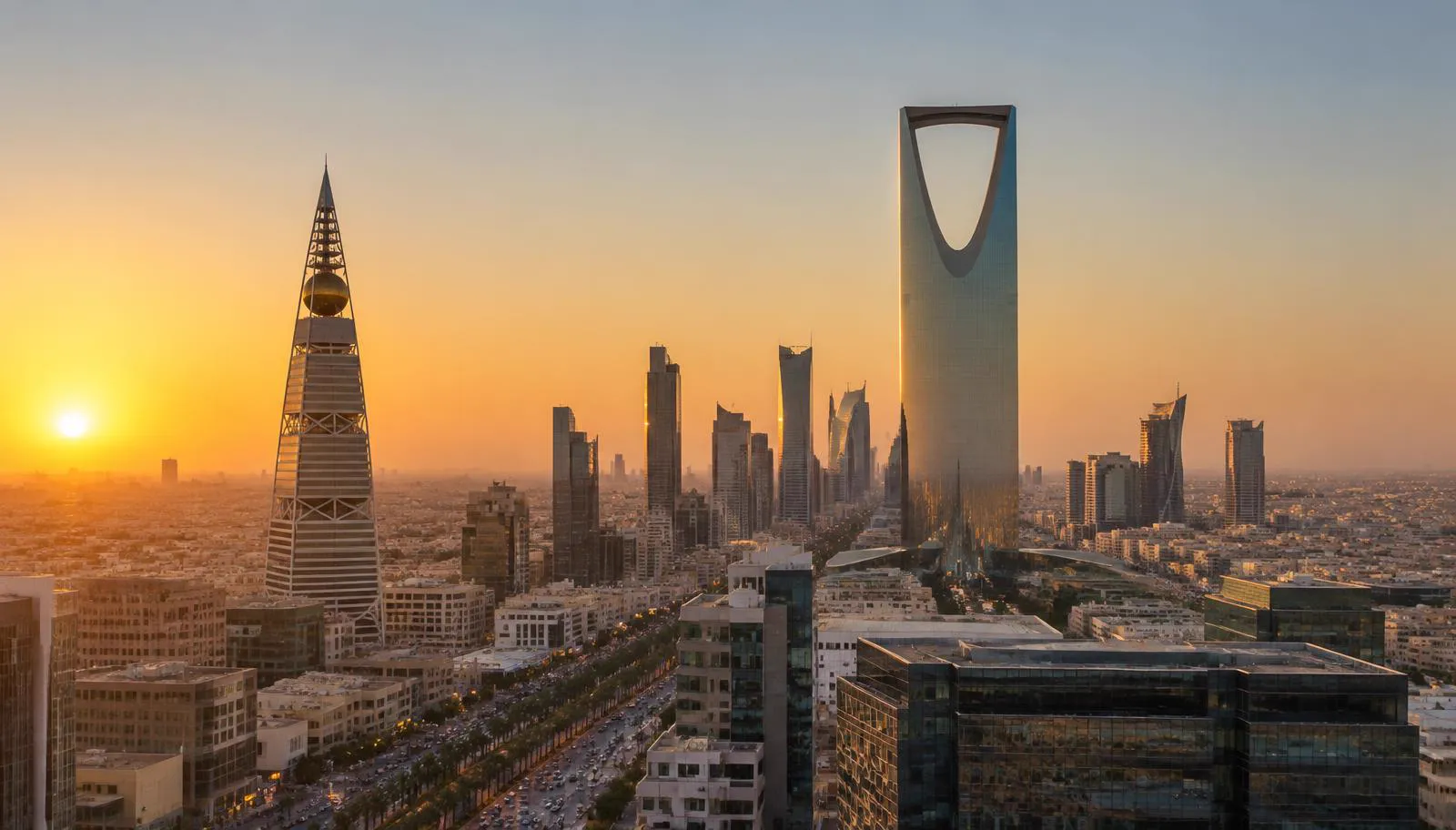
Riyadh is the capital and a natural starting point for understanding modern-day Saudi Arabia.
The city has developed at a tremendous pace and combines modern architecture, shopping malls, restaurants, and entertainment with important historical sites.
Here, you can experience, among other things:
Just outside the modern part of the city lies historic Diriyah.
The At-Turaif district in Diriyah is a UNESCO World Heritage site and is closely linked to the history of the Saudi state.
The contrast between old Diriyah and modern Riyadh makes the area particularly interesting.
Jeddah has a completely different atmosphere than Riyadh.
The city is located on the Red Sea and has been an important trade and port city for centuries.
One of the biggest highlights is historic Al-Balad.
Here, you can wander through narrow streets among traditional buildings, markets, and old merchant houses.
Al-Balad is a UNESCO World Heritage site.
Jeddah also offers:
Jeddah is also an important transport hub for onward travel along the west coast.
Saudi Arabia has a long coastline along the Red Sea.
This is one of the areas where the country is now developing several new destinations and resorts.
The Red Sea is known for:
For travelers who want to combine culture and experiences with a few relaxing days by the sea, the Red Sea can be an excellent way to end the trip.
Al Ahsa is located in eastern Saudi Arabia and is known for its vast oasis landscape.
The area is a UNESCO World Heritage site and has millions of palm trees, historical sites, springs, and traditional local communities.
Al Ahsa can be combined with Riyadh and Dammam, among other places.
The train connection also makes it possible to include the area in a tour without flying between all destinations.
Saudi Arabia is not just desert.
In the southwest of the country, you will find the Aseer region and the city of Abha.
Here, there are mountains, valleys, and greener landscapes that stand in stark contrast to the areas many associate with Saudi Arabia.
The region is located at a high altitude and has a milder climate than many other parts of the country.
Aseer is particularly interesting for those who want:
This area can be particularly interesting even in the summer months.
This, of course, depends on what you want to experience.
But Saudi Arabia is large, and we recommend not trying to squeeze too many destinations into one trip.
With one week, you can, for example, combine:
Riyadh + AlUla
or:
Jeddah + AlUla
This gives you two very different experiences without too much of your holiday being spent on transport.
With about ten days, you could, for example, travel:
Riyadh → AlUla → Jeddah
This provides a nice combination of a modern city, history, desert, and the Red Sea.
If you have two weeks, many more possibilities open up.
A trip could, for example, include:
Riyadh → AlUla → Madinah → Jeddah → The Red Sea
or be combined with Al Ahsa, Aseer, or other areas.
At Saudi Reiser, we put together the route based on how much time you have and which experiences are most important to you.
Due to the large distances, most tours will use a combination of modes of transport.
Flying is efficient between destinations that are far apart.
Saudi Arabia has an extensive network of domestic flights between the largest cities and regions.
The train network is becoming increasingly important for travelers.
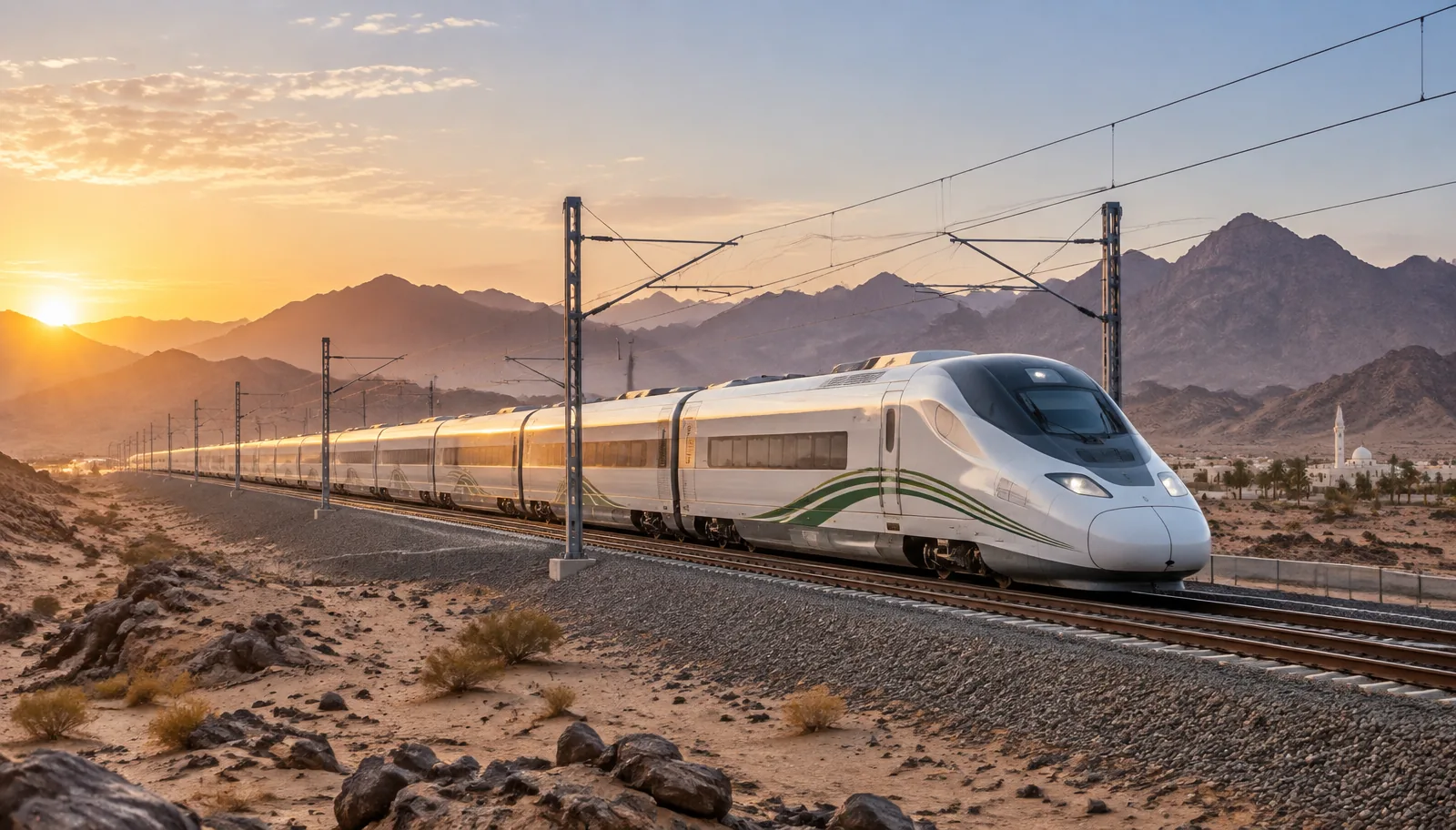
The Haramain High-Speed Railway connects, among other places, Makkah, Jeddah, King Abdulaziz International Airport, King Abdullah Economic City, and Madinah.
The trains can travel up to 300 km/h.
On the eastern side of the country, there are train connections between Riyadh, Al Ahsa, and Dammam, among others, while SAR also operates trains north from Riyadh.
For some journeys, the train can be an experience in itself.
Also read our guide to train travel in Saudi Arabia.
Private transport is often the easiest solution for parts of a tailor-made tour.
It offers flexibility and makes it easier to get to places that are outside the major transport hubs.
It is possible to rent a car in Saudi Arabia.
For first-time travelers wanting a tour with multiple experiences, private transport may still be more relaxing, especially if you are not familiar with the area.
Saudi Arabia has changed rapidly in recent years, but the country still has different cultural norms than Norway.
As a tourist, you will get far with common respect and common sense.
Tourists are expected to dress respectfully.
This does not mean that foreign women must wear an abaya in all general public areas, but clothing should generally be relatively modest.
Both men and women should be mindful of local customs, especially at religious and traditional sites.
If you travel during Ramadan, the daily rhythm will be different.
Many restaurants and activities follow different opening hours, and evenings can become very lively after sunset.
For some travelers, Ramadan can be an exciting cultural experience, but it requires some extra planning.
It's a good idea to ask before photographing people up close.
Avoid photographing military installations, security areas, and other places where photography is prohibited.
Alcohol is forbidden for regular tourists in Saudi Arabia.
You should therefore not bring alcohol into the country.
This is important to know when planning your trip.
Makkah is reserved for Muslims.
Madinah is accessible to non-Muslim visitors in several areas, but certain holy sites have restricted access.
Itineraries must therefore be planned according to who is traveling and which places they have access to.
Saudi Reiser can help create a route that suits your travel party.
The food is an important part of the journey.
Saudi cuisine varies between regions, but rice, lamb, chicken, dates, spices, bread, and Arabic coffee are central elements.
One of the most famous dishes is kabsa, which typically consists of spiced rice combined with meat or chicken.
You should also try:
In the big cities, you will also find an enormous range of international restaurants.
Riyadh and Jeddah have seen a growing selection of restaurants, from simple local eateries to exclusive fine-dining concepts.
The currency in Saudi Arabia is the Saudi Riyal, abbreviated as SAR.
Card payments are very common in hotels, restaurants, shopping malls, and many other places.
However, it is practical to have some local currency available for smaller purchases and some local experiences.
ATMs are available in cities and at major tourist spots.
Arabic is the official language.
At hotels, airports, tourist attractions, and in the larger cities, you can generally get by with English.
On an organized or tailor-made trip, local English-speaking guides can significantly enhance the experience, especially at historical and cultural sites.
The security situation in the Middle East can change quickly.
Norwegian travelers should therefore always read the Norwegian Ministry of Foreign Affairs' updated travel information before booking and again before departure.
As of September 2026, the Ministry of Foreign Affairs advises against all travel to areas within 50 kilometers of the border with Yemen.
The situation can change, and this article should therefore not be used as a substitute for updated information from Norwegian authorities.
We also recommend:
Saudi Reiser monitors developments and takes current travel advice into account when planning client trips.
Mobile coverage is generally good in cities and along major travel routes.
Most hotels offer Wi-Fi, and it is easy to use your mobile phone during the trip.
For many travelers, a local SIM card or eSIM can be a practical solution, especially on longer tours.
What you should bring depends on the season and where in Saudi Arabia you are going.
For a classic tour, it might be wise to pack:
If you are going to AlUla or other desert areas in winter, you should not underestimate how chilly the evenings can get.
It is as a tour destination that Saudi Arabia truly shines.
Instead of staying in one place for the entire holiday, you can combine several completely different areas.
On a single trip, you can experience:
modern Riyadh
→ historic Diriyah
→ spectacular AlUla
→ historic city areas in Jeddah
→ the Red Sea's beaches and coral reefs
It is precisely the contrasts that make the country so interesting.
A good tour should also allow enough time in each location.
Saudi Arabia is not a country we recommend rushing through.
Saudi Arabia is still a relatively new holiday destination for many Norwegians.
This also means that planning can feel more complicated than a classic holiday to Southern Europe.
How long should you stay in AlUla?
Should you fly or take the train?
Which hotels are most suitable?
Do you need a local guide?
How do you combine Riyadh, Jeddah, and AlUla without spending too much time on transport?
This is exactly where Saudi Reiser can help.
We can put together a complete trip based on your wishes, budget, and how long you want to be away.
A tailor-made trip can include:
The goal is for the journey to feel simple from the moment you start planning until you return home.
Saudi Arabia is a destination full of contrasts.
Here, thousands of years of history meet some of the world's most ambitious modern development projects.
You can stand alone among enormous sandstone formations in the morning, visit a UNESCO World Heritage site in the afternoon, and have dinner at a modern restaurant in a big city in the evening.
For travelers looking to experience something new, this could be one of the most exciting destinations in the region.
And you don't have to plan everything yourself.
Tell us:
Then we can help you put together a proposal for your Saudi trip.
Yes. Norwegian citizens need a visa. Norway is among the countries that can apply for an electronic tourist visa, eVisa, through Saudi Arabia's official visa system. Always check the current rules before your trip.
For a classic tour, many prefer the period from October to April, when temperatures are normally more pleasant for sightseeing and outdoor activities. However, the climate varies a lot between regions.
For a first-time trip, we generally recommend between 7 and 14 days. With 10–14 days, you can combine several places like Riyadh, AlUla, and Jeddah without the trip becoming too hectic.
Yes. Women can travel to Saudi Arabia as tourists. Foreign female tourists do not normally need to wear an abaya in general public areas, but both women and men should dress respectfully and be mindful of local customs.
No. Makkah is reserved for Muslims. Non-Muslim tourists can visit several areas in Madinah, but certain holy sites have restricted access.
Alcohol is forbidden for regular tourists. Travelers should not bring alcohol into the country.
Yes. Saudi Arabia is very well-suited for tours due to the great contrasts between destinations like Riyadh, AlUla, Jeddah, Al Ahsa, Aseer, and the Red Sea. Flights, high-speed trains, and private transport can be combined to create efficient itineraries.
Would you like help putting together your own tour? Tell us when you want to travel and what you want to experience, and Saudi Reiser will help you with a tailor-made proposal.
kontakt@saudireiser.com+47 409 77 778Get a travel proposalThis information can change. Always check current requirements with the relevant authorities before you travel.
Trip planning
From high-speed trains between Makkah and Madinah to long desert journeys—discover how to explore Saudi Arabia by rail.
Trip planning
From cool winter evenings in AlUla to hot summer days by the Red Sea – here’s your guide to the best time to visit.
Destinations
From Hegra and AlUla to Riyadh, the Red Sea, and the green mountains of Aseer—discover 15 of Saudi Arabia's most exciting places.