Aseer and Abha – Travel Guide to Green Saudi Arabia
Discover Abha, Al Soudah, Rijal Almaa, and the green mountain landscapes of Aseer – a completely different side of Saudi Arabia.
Published:20 min read
Written by Saudi Reiser
Mountains, mist, green valleys, historic villages, and a climate that surprises most who visit Saudi Arabia.
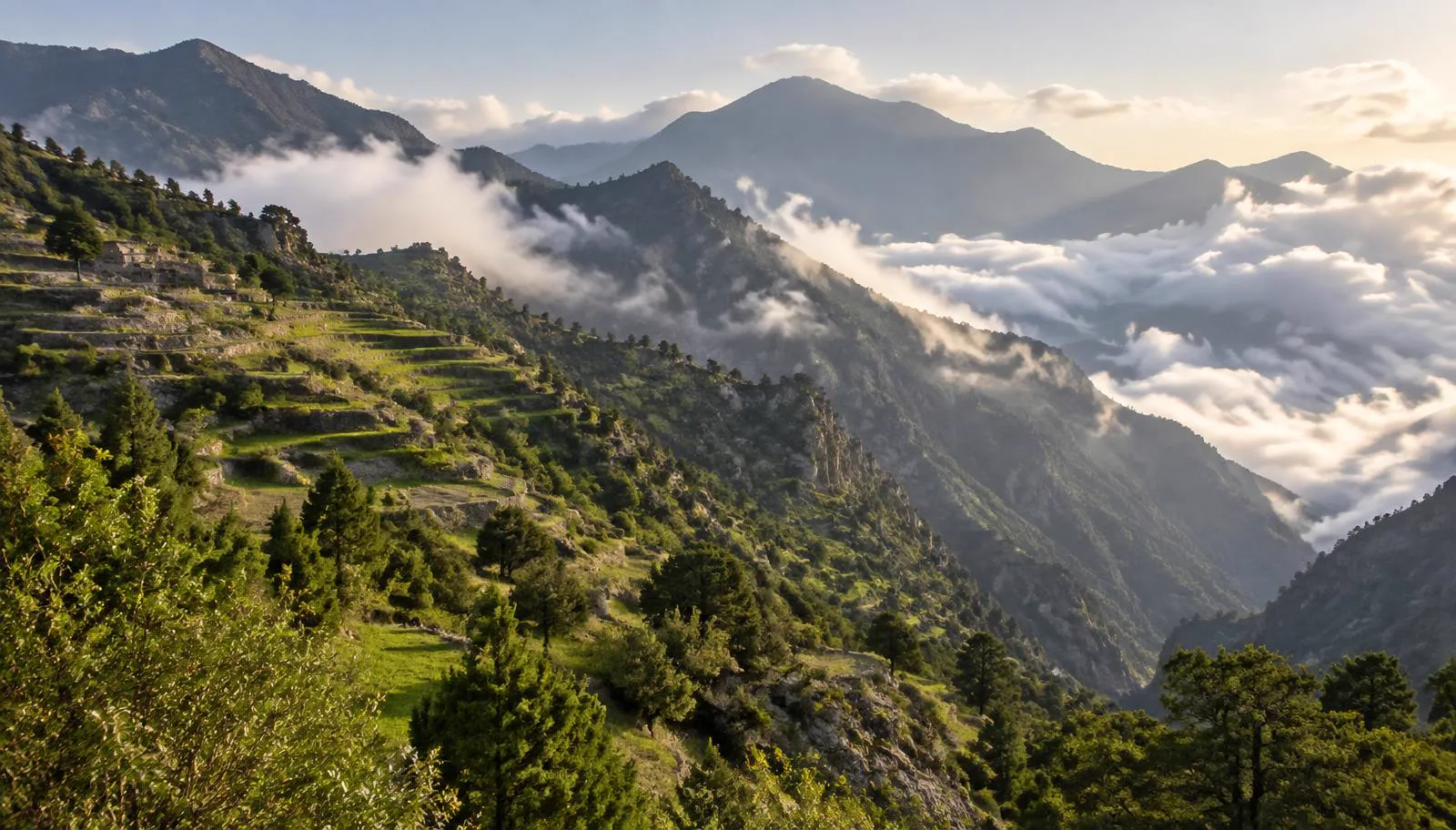
Green mountains.
Mist weaving through the treetops.
Terraced hillsides.
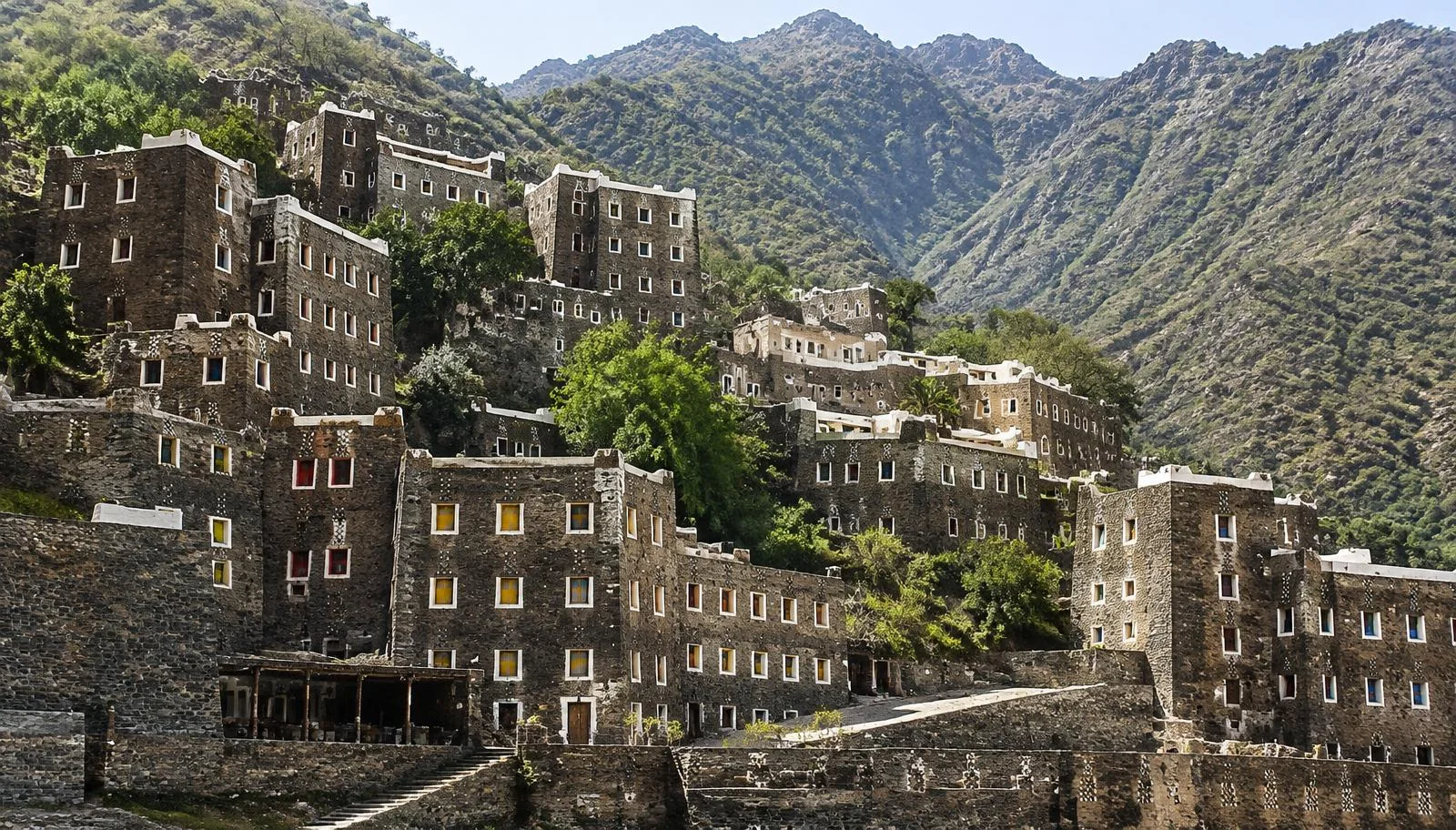
Historic stone villages.
Temperatures that can be far cooler than in Riyadh and Jeddah.
This is also Saudi Arabia.
In the southwest of the country lies Aseer – a mountainous region that strongly contrasts with the image many international travelers have of Saudi Arabia as a land dominated by dry desert and extreme heat.
Here lies Abha, the region's main city and a natural starting point for exploring the mountains.
Not far away, you will find Al Soudah, Saudi Arabia's highest mountain area, historic Rijal Almaa, green valleys, forests, and viewpoints that periodically sit right in the clouds.
Aseer has also evolved into one of the country's most important summer destinations.
When temperatures in Riyadh can exceed 40 degrees, the mountain areas around Abha and Soudah can be far cooler.
This makes the region particularly appealing for travelers looking to experience a completely different side of the country.
In this guide, Saudi Reiser shows you what to see and do in Aseer and Abha, when to travel, how long to stay, and how the region can be combined with the rest of Saudi Arabia.
Where is Aseer located?
Aseer is located in southwestern Saudi Arabia.
The region stretches from high mountain areas in the Sarawat Mountains and westward toward lower terrain in the direction of the Red Sea.
The elevation differences are substantial.
This is one of the main reasons why the climate varies so dramatically.
In the highlands, you will find:
Abha
Al Soudah
Khamis Mushait
mountains
forests
green valleys
terraced agricultural landscapes
Further down toward the west, both temperature and landscape change.
This variation makes Aseer one of the most geographically fascinating regions in Saudi Arabia.
Abha – the regional capital of Aseer
Abha is the region's administrative and tourism center.
The city sits high above sea level nestled among the mountains of southwestern Saudi Arabia.
Abha serves as the natural base for most journeys in the region.
Here you will find:
hotels
restaurants
cafes
shopping
local markets
parks
viewpoints
museums
transport onward into the mountains
Abha International Airport also makes it relatively easy to get here from other parts of the country.
Why visit Aseer?
Aseer reveals a side of Saudi Arabia that many international visitors do not expect.
Here, travel is less about the desert and more about:
mountains
nature
culture
villages
forests
fog
traditional agriculture
hiking
local culinary traditions
The region is therefore particularly well-suited for travelers wishing to combine culture and nature.
Aseer is also a very interesting addition to a journey that already includes Riyadh, AlUla, or Jeddah.
Al Soudah – At the Top of Saudi Arabia
One of the most important areas to visit is Al Soudah.
Soudah is located in the Sarawat Mountains west of Abha.
The area reaches over 3 000 meters above sea level and is associated with Saudi Arabia's highest point.
Here you will find a landscape that is completely different from much of the rest of the country.
Typical experiences include:
mountain views
juniper vegetation
fog
hiking
viewpoints
picnics
cooler temperatures
sunsets
At times, clouds hang low over the mountains.
This can give the landscape an almost mystical atmosphere.
The Climate in Al Soudah
The altitude gives Al Soudah a much cooler climate than Riyadh and many other Saudi destinations.
This means that the area has been proposed as a possible future candidate.
That is not the same as being an inscribed UNESCO World Heritage Site.
Nevertheless, the village's historical and cultural significance makes it one of the most important places to visit in Aseer.
The Architecture of Rijal Almaa
UNESCO's tentative list description of Rijal Almaa mentions around 60 traditional palace and tower buildings in the village.
The buildings are made of local materials and can span multiple stories.
The tall stone houses are particularly striking as they are clustered closely between the mountains.
The architecture shows how the local population adapted buildings to the terrain, climate, and available materials.
Rijal Almaa Heritage Museum
The village also features a cultural history museum.
Here you can learn more about:
local traditions
clothing
weapons
tools
art
history
daily life
The museum was established through local initiatives to preserve the area's cultural heritage.
A visit makes it easier to understand the architecture and the community surrounding the village.
Rijal Almaa Visitor Center
There is also a modern visitor center at Rijal Almaa.
Visit Saudi describes this as a place where visitors can learn about the history of Aseer and Rijal Almaa through modern museum exhibits.
Exhibits are presented in both Arabic and English.
Opening hours are subject to change.
Therefore, make sure to check current information before visiting.
Al-Qatt Al-Asiri – Aseer's Colorful Art
One of the region's most distinctive cultural traditions is:
Al-Qatt Al-Asiri
This is a traditional decorative art form historically practiced primarily by women.
Walls and interiors are decorated with vivid colors and geometric patterns.
The art is closely linked to the identity of Aseer.
You will be able to see inspiration from Al-Qatt Al-Asiri in:
museums
traditional homes
art
souvenirs
modern design
For travelers, this offers an interesting glimpse into how Aseer's culture is just as distinctive as its nature.
Flower Men – The Flower Crowns of the South
Aseer and nearby southwestern areas are also renowned for the tradition of men wearing decorative flower crowns.
Crowns can be made from:
flowers
herbs
aromatic plants
The tradition is an integral part of local culture and identity.
It is particularly prominent during festivals and cultural events.
As a tourist, you should approach such traditions with respect and avoid treating them merely as tourist props.
Khamis Mushait
Khamis Mushait is located near Abha and is one of the largest cities in the region.
The city has long been an important trading hub.
Today you will find:
local markets
restaurants
shops
modern districts
traditional products
Khamis Mushait can be interesting if you have several days in Aseer and want a broader insight into the region.
For a short first-time trip, Abha, Soudah, and Rijal Almaa will normally be prioritized first.
Abha's mountain roads
The drive can be an experience in itself in Aseer.
The roads pass through:
mountain passes
tunnels
valleys
viewpoints
steep areas
Visit Saudi highlights several so-called Aqabat roads as spectacular driving routes through the mountains.
It can be fantastic.
However, fog and weather can significantly reduce visibility.
Therefore, drive carefully and adjust your speed.
Cable cars in Abha and Aseer
Aseer is also known for cable cars that offer views across mountains and valleys.
Visit Saudi highlights several routes in the region, including around Abha and Habala.
From the gondolas, you can get views of:
mountains
valleys
parks
lakes
villages
Operations can be seasonal and affected by weather.
Always check which routes are actually open when you visit the area.
Habala
Habala is another interesting mountain area south of Abha.
The village is known for its dramatic setting in the mountain landscape.
Historically, parts of the settlement were very isolated.
Today, the area is associated with:
mountains
views
nature
cable cars
cultural history
Accessibility and activities may vary by season.
Mountains, forests, and juniper
One of the most surprising features of Aseer is its vegetation.
In the mountains, you will find juniper, among other plants.
These forests help give the area a completely different character than the open desert areas further north.
On wetter days, there is a combination of:
green mountains
fog
dark trees
clouds
This can almost make the landscape look like an entirely different country.
Rain in Aseer
Aseer receives more rainfall than many other parts of Saudi Arabia.
Rain contributes to:
lush vegetation
agriculture
terraces
seasonal waterfalls
fog
At the same time, heavy rain can impact roads and excursions.
Therefore, check the weather forecast if you are planning long drives or mountain hikes.
Terraced agriculture
In the mountain areas, you can see terraced agricultural landscapes.
For generations, these terraces have made it possible to cultivate steep mountainsides.
Various local produce is grown here depending on the area and season.
The terraces are:
practical
historic
scenic
They are also an important part of the cultural landscape in the Sarawat Mountains.
Food in Aseer
Aseer has its own distinct culinary traditions.
The region's climate, altitude, and agriculture have shaped its cuisine.
You will find dishes featuring, among other things:
grains
meat
honey
local herbs
bread
stews
dairy products
It is well worth trying local restaurants rather than solely relying on international hotel dining.
Aseer honey
Honey is a well-known product in southwestern Saudi Arabia.
Local varieties are influenced by the vegetation and flora accessible to the bees.
Honey is sold, among other places:
at markets
directly from local producers
in shops
If you wish to bring local products home with you, this can be an appealing choice.
Saudi coffee in the mountains
Naturally, Saudi coffee is also an integral part of hospitality in Aseer.
The coffee is often served with:
dates
local sweets
small snacks
On cool or misty mountain days, a cup of coffee overlooking the valleys can be a remarkably atmospheric experience.
When is the best time to visit Aseer?
Aseer can be visited throughout much of the year.
However, the region stands apart from Riyadh, AlUla, and Jeddah because summer can be one of the most appealing times to visit.
Summer – June to September
Summer is peak season for many domestic travelers.
This is due to the milder climate found in the highlands.
This is a great period for:
Abha
Soudah
nature
family vacations
mountains
summer events
At the same time, the weather can include fog and rain.
Spring – March to May
Spring can be very pleasant.
Nature can be greener, and the temperatures are well suited for:
hiking
road trips
village visits
photography
Autumn – October and November
Autumn can be quieter than summer.
Temperatures are still pleasant in many places.
This can be a very good period for travelers looking for fewer crowds.
Winter – December to February
Winter can get chilly in the highlands.
Soudah can experience temperatures dropping toward freezing.
This is therefore not necessarily classic “winter sun”.
However, for travelers who enjoy a cool mountain climate, it can be an interesting experience.
Is summer really best?
That depends on what you want.
If you are planning:
Riyadh → AlUla → Jeddah
winter will normally be best.
If you primarily want:
Aseer and Abha
summer can be fantastic.
This demonstrates why it is a mistake to think of Saudi Arabia as a single climate destination.
How many days do you need?
We normally recommend:
3–5 nights
2 nights
Minimum for:
Abha
Al Soudah
one additional excursion
This will be relatively hectic.
3 nights
Well suited for:
Abha
Soudah
Rijal Almaa
local restaurants
views and nature
4–5 nights
This is better if you want:
hiking
mountain roads
culture
Khamis Mushait
Habala
a slower pace
Aseer is a region where the drives between destinations are part of the experience.
Suggestion: 4 days in Aseer
Day 1 – Abha
Arrival in Abha.
Spend the day getting to know the city.
Experience:
views
cafes
local areas
markets
dinner
Enjoy a quiet first evening.
Day 2 – Al Soudah
Drive up towards Soudah.
Spend the day on:
viewpoints
short hikes
nature
photography
a picnic or lunch
The weather can change quickly.
Bring a jacket even if it is summer.
Day 3 – Rijal Almaa
Set aside the day for Rijal Almaa.
Visit:
the historic village
the museum
the visitor center
local areas
The drive through the mountains is part of the experience.
Day 4 – Abha, Habala, or Khamis Mushait
Choose based on your interests.
Options:
cable car if available
Habala
Khamis Mushait
museums
local food
a relaxing day in nature
This provides a good introduction to the region.
How do you get to Abha?
The easiest way for most international travelers is by plane.
Abha has its own airport:
Abha International Airport
There are domestic connections from major Saudi cities, among others.
Schedules change.
Therefore, check current flight connections for your travel date.
From Riyadh to Abha
Flying is usually the most practical option.
The distance is considerable.
This makes Aseer easy to add as a dedicated segment of a broader Saudi trip without spending long days on the road.
From Jeddah to Abha
From Jeddah as well, flying is often the most efficient solution.
For travelers with more time, driving can be interesting because the landscape changes dramatically as you approach the mountain regions.
However, this should be planned as a dedicated road trip rather than mere transit.
How do you get around Aseer?
A car is very useful.
Many of the best experiences are located outside Abha.
You can use:
rental car
private driver
organized tour
hotel transfer
For first-time visitors, a private driver can be especially comfortable.
Mountain roads can be demanding during:
fog
heavy rain
darkness
poor visibility
Local knowledge can therefore be an advantage.
Should you rent a car?
A rental car provides great freedom.
It is well-suited if you:
are comfortable with mountain driving
want flexibility
want to stop at viewpoints
have experience with varying road conditions
Otherwise, we recommend a private driver or organized excursions.
Where should you stay in Abha?
For first-time visitors, Abha is usually the most practical base.
Here you will find:
hotels
restaurants
shops
cafes
transport
airport
You can then take day trips to Soudah and other areas.
Staying in the mountains
Accommodations are also available outside Abha itself.
This may be suitable if you prioritize:
peace and quiet
nature
views
cooler climate
The offerings are evolving rapidly.
Soudah Peaks is a major new mountain development project planned as a year-round destination for luxury, nature, and culture.
The project is still under development.
Soudah Peaks
Soudah Peaks is a major development project in Soudah and parts of Rijal Almaa.
The project will be developed with a focus on:
luxury hotels
nature
culture
wellness
adventure
local architecture
Soudah Development states that the project area covers more than 600 square kilometers.
The development is planned as a year-round destination.
Because the project is being developed over time, travelers should check which hotels, activities, and facilities are actually open when they plan to visit the area.
Aseer for couples
Aseer is well suited for couples looking for something different from a classic beach vacation.
A day could, for example, look like:
mountain road → views → coffee in the mist → Rijal Almaa → local dinner
This offers a completely different kind of romantic experience than the resorts along the Red Sea.
Aseer with children
Aseer also works well for families.
Possible experiences can include:
parks
cable cars
nature
short hikes
villages
viewpoints
farms
local events
Be extra careful with children around steep viewpoints and mountain roads.
Aseer for active travelers
The region is especially well suited if you enjoy:
hiking
photography
road trips
mountains
nature
culture
This makes Aseer an interesting contrast to more traditional city and resort experiences.
Photography in Aseer
Aseer is one of the most photogenic regions in Saudi Arabia.
Subjects include:
mist
mountains
Rijal Almaa
green valleys
terraced agriculture
traditional architecture
local markets
art
sunsets
The weather can change the light very quickly.
That makes the area especially exciting for photographers.
What should you pack?
Aseer requires a slightly different packing list than Riyadh and Jeddah.
Consider bringing:
good shoes
lightweight clothing
rain jacket
light sweater
jacket
sunglasses
sunscreen
water bottle
camera
hiking-appropriate clothing
Even if you visit the region in the summer, Soudah can feel chilly.
For a longer trip, Aseer can be added as an extra leg after the classic highlights.
For example:
Riyadh → AlUla → Jeddah → Aseer
Then you get:
modern metropolis
desert
archaeology
the Red Sea
mountains
culture
This is an extensive journey, but it shows how varied Saudi Arabia truly is.
Is Aseer Worth Visiting?
Yes – especially if you want to see something different from the classic Saudi route.
Aseer is not primarily the place you travel to for:
futuristic skyscrapers
luxury resorts
vast deserts
You travel here for:
mountains
climate
nature
people
villages
art
local culture
That is precisely what makes the region so interesting.
Green Saudi Arabia
The description “green Saudi Arabia” may sound surprising.
Yet when you stand in Aseer and see:
forests
mountain slopes
clouds
mist
green valleys
the phrase makes complete sense.
Saudi Arabia is far more geographically diverse than many first-time travelers expect.
Aseer is perhaps the clearest example of this.
Let Saudi Reiser Plan Your Stay in Aseer
Aseer requires a bit more logistics than a classic city break.
Many highlights are located outside Abha.
Saudi Reiser can assist with:
flights
hotels
private drivers
Abha
Al Soudah
Rijal Almaa
mountain hikes
local guides
combinations with Jeddah
combinations with the Red Sea
complete round trips
This allows the itinerary to be tailored to the weather, travel time, and what you wish to experience.
Ready to Experience Another Side of Saudi Arabia?
Aseer can change your perception of Saudi Arabia.
Here you can wake up to morning mist outside your window.
Drive through lush green mountains.
Sip coffee in crisp, cool air.
Visit a historic village built with stone towers.
And watch clouds roll through the valleys below you.
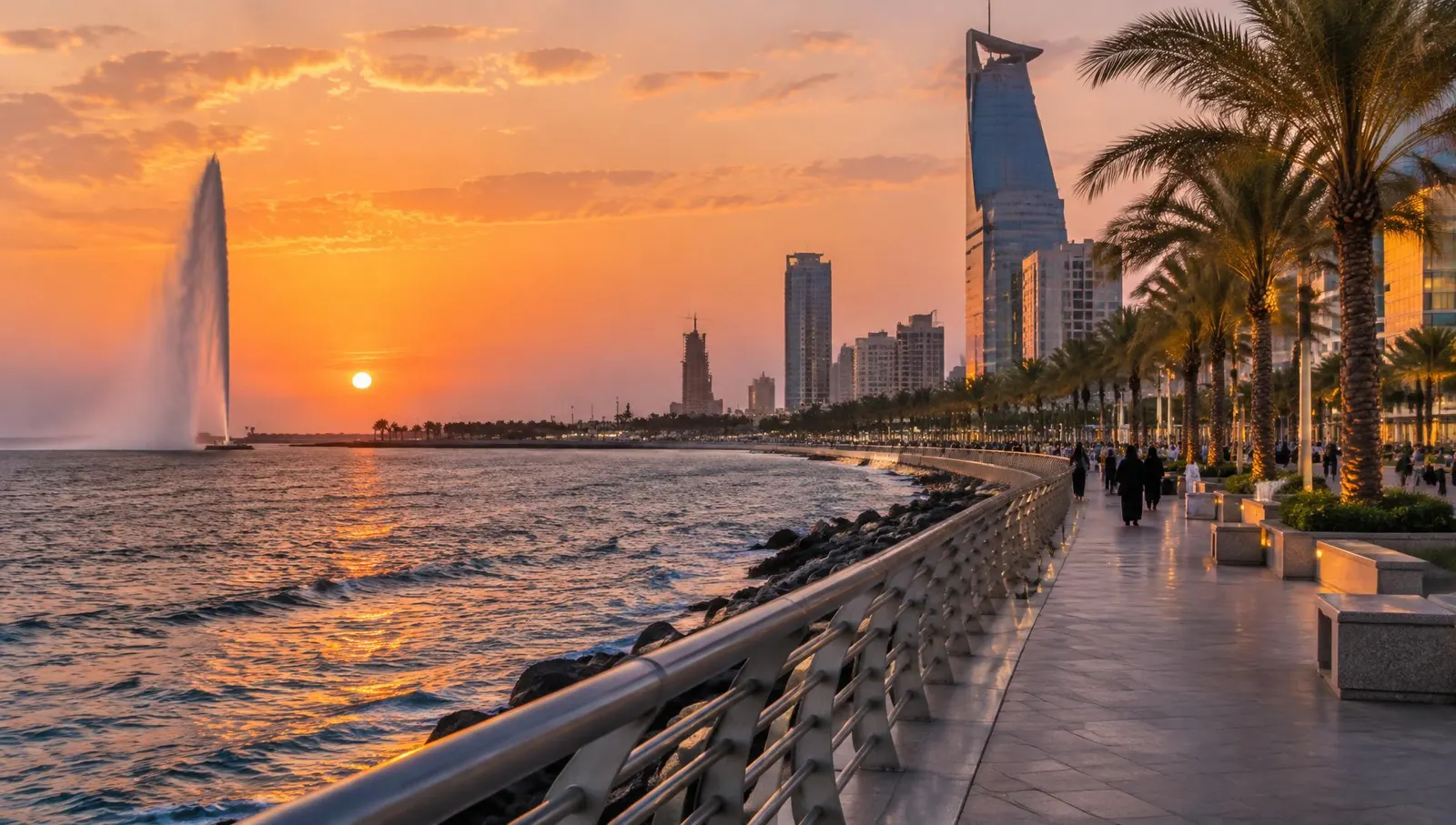
A few days later, you can stand by the Red Sea in Jeddah.
It is precisely these contrasts that make Saudi Arabia an increasingly compelling travel destination.
Get an itinerary proposal for your trip to Aseer and Abha
Tell us when you wish to travel and how long you plan to stay in the region, and Saudi Reiser will help you put together a tailor-made proposal.
Frequently Asked Questions About Aseer and Abha
Where is Aseer located?
Aseer is located in southwestern Saudi Arabia. The region encompasses mountainous terrain within the Sarawat Mountains, with Abha serving as the primary hub for travelers.
Is Abha worth visiting?
Yes. Abha is an excellent base for exploring the mountains, Al Soudah, Rijal Almaa, local culture, and a climate that is substantially milder than in many other parts of Saudi Arabia.
What is Al Soudah?
Al Soudah is a high-altitude mountain area west of Abha. Situated near Saudi Arabia's highest mountain range, it is celebrated for sweeping views, juniper forests, mist, and cooler temperatures.
How high is Soudah?
Soudah Development cites the highest point at around 3,015 meters above sea level.
When is the best time to visit Aseer?
Aseer can be visited for most of the year. Summer is particularly popular because the highlands remain considerably cooler than Riyadh and many other parts of Saudi Arabia.
How warm is it in Aseer in the summer?
Visit Saudi states an expected summer temperature range of approximately 16–31 degrees for the region. In the highest areas around Soudah, temperatures can be even lower.
Is Rijal Almaa a UNESCO World Heritage site?
No, not as of today. Rijal Almaa Heritage Village is on Saudi Arabia's tentative list for UNESCO World Heritage status, but is not an inscribed World Heritage site.
How many days do you need in Aseer?
We usually recommend three to five nights. This allows time for Abha, Soudah, Rijal Almaa, and several nature experiences.
Do you need a car in Aseer?
A car, private driver, or organized tours are very useful because many of the most important sites are located outside Abha.
Can Aseer be combined with Jeddah?
Yes. It is a very good combination. Aseer offers mountains, culture, and a cooler climate, while Jeddah offers historic Al-Balad, the Red Sea, and coastal life.
Do you want to combine Abha, Al Soudah, and Rijal Almaa with Jeddah, Riyadh, or the Red Sea? Tell us when you wish to travel, and Saudi Reiser will help you put together a tailored journey.
Discover Saudi Arabia's Red Sea coast with crystal-clear waters, coral reefs, diving, and luxury resorts such as St. Regis, Nujuma, Shebara, and Desert Rock.